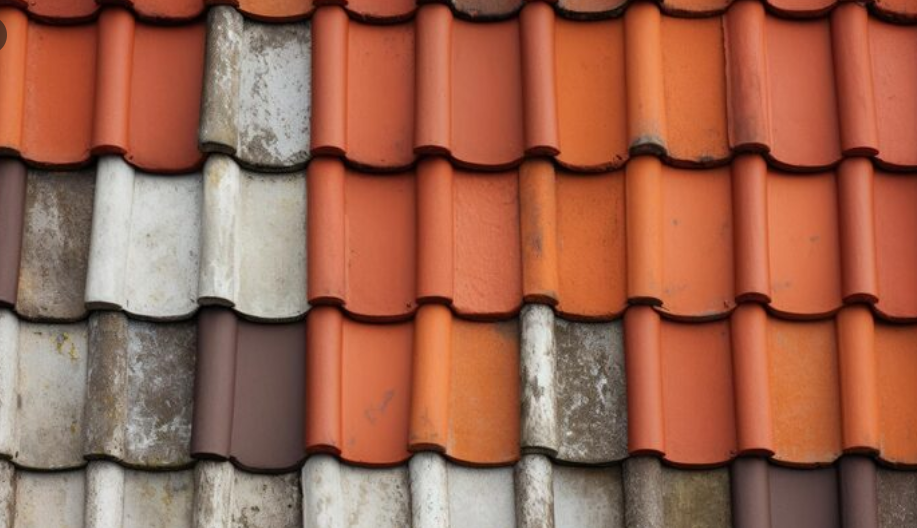
Premium Roof Tiles in Kerala: Complete Architecture & Buyer’s Guide
Choosing the right roof tiles requires balancing structural weather resistance with architectural style to protect your home against Kerala's severe monsoons and tropical heat. Premium imported ceramic and terracotta roof tiles—including Mediterranean profiles like RoyalCoppo, Portuguese, and Marsigliese—feature low water absorption (<0.5%), high flexural strength, and engineered interlocks that stop wind-driven rain penetration.
Sourcing your roofing solutions directly from Kurikkal Ambiente provides access to certified European lines (such as Tognana from Italy) alongside comprehensive site planning and structural advice. Browse the full collection of high-performance roof tiles products on Kurikkal to find the ideal profile for your home.
Table of Contents
- The Evolution of Roofing in Malabar Architecture
- Comparison Matrix: Imported Ceramic vs. Clay vs. Metal Roofing
- Key Roof Tile Profiles & Architectural Styles
- 1. RoyalCoppo & Tuscany Coppo Profiles
- 2. Portuguese & Neoromanesque Profiles
- 3. Marsigliese Interlocking Profiles
- 4. Modern Flat Ceramic Tiles
- Technical Performance Features: Protecting Against Monsoon Extremes
- Step-by-Step Roof Installation & Truss Planning Checklist
- Why Kurikkal Ambiente is Malabar’s Leading Roofing Destination
- Frequently Asked Questions
- Conclusion
The Evolution of Roofing in Malabar Architecture
Roofing design in Kerala has evolved to meet strict environmental demands while reflecting changing aesthetic tastes:
Kerala Architectural Roofing Progression
- Traditional Clay Mangalore Tiles: Porous terracotta → Absorbs water → Heavy algae growth & lichen
- Concrete Flat Slabs: Absorbs radiant summer heat → Cracks under thermal expansion → Seepage risks
- High-Fired Glazed Ceramic Roofing: Non-porous ceramic → Reflects heat → Zero water seepage & self-cleaning
Traditional Clay Mangalore Tiles
For over a century, local unglazed clay tiles served as the standard for sloped roofs across Malabar. While natural and breathable, traditional terracotta absorbs 8% to 12% water by weight. Over time, high humidity leads to heavy algae accumulation, moss growth, structural brittleness, and routine leaks during monsoon downpours.
Concrete Flat Slabs
Modern residential builds shifted toward reinforced concrete (RCC) flat roof slabs. However, unshaded concrete absorbs heavy solar radiation, transferring extreme summer heat into living spaces below. Constant thermal expansion and contraction also create hairline surface cracks, leading to internal ceiling dampness.
High-Fired Imported Ceramic Tiles
Contemporary tropical architecture combines sloped concrete or steel truss framing with high-fired glazed ceramic and engineered terracotta roof tiles. Fired at temperatures exceeding 1000°C, modern ceramic tiles feature waterproof finishes, UV-resistant color glazes, and high thermal insulation, maintaining structural integrity for decades.
Comparison Matrix: Imported Ceramic vs. Clay vs. Metal Roofing
|
Feature / Parameter |
High-Fired Glazed Ceramic Tile |
Traditional Clay Tile |
Stone-Coated Metal Sheet |
|
Water Absorption Rate |
Below 0.5% (Impervious) |
8.0% – 12.0% (Porous) |
0.00% (Metal substrate) |
|
Thermal Insulation |
High (Keeps interiors cool) |
Moderate |
Low (Requires heavy under-insulation) |
|
Algae & Moss Resistance |
Superior (Glazed self-cleaning) |
Poor (Fosters deep moss roots) |
Moderate |
|
Rain Impact Noise |
Silent (Absorbs acoustic impact) |
Silent |
High (Rattles during heavy downpours) |
|
Flexural Breaking Strength |
High (>2000 N) |
Low to Moderate |
High (Dents under impact) |
|
Color Durability |
Permanent (Single-fired glazes) |
Fades / Turns dark with age |
Paint layer chips under intense UV |
Key Roof Tile Profiles & Architectural Styles
Selecting the right roof tile profile enhances your home's curb appeal while ensuring optimal rain drainage. Exploring modern options from a trusted source for premium floor tiles in Calicut helps coordinate your interior flooring with your exterior roofing aesthetics.
Roof Tile Profile Classification
- High-Barrel Mediterranean: RoyalCoppo & Tuscany Coppo (Deep wave curves)
- Semi-Barrel Transitional: Portuguese & Neoromanesque (Classic European roll)
- Flat Interlocking Contemporary: Marsigliese & Modern Flat Series (Clean linear planes)
1. Royal Coppo & Tuscany Coppo Profiles
Featuring deep barrel curves, RoyalCoppo and Tuscany Coppo profiles capture the classic charm of Mediterranean villas. Their high-arched shape creates air channels beneath the tiles, providing natural ventilation that reduces thermal transfer into attic spaces.
2. Portuguese & Neoromanesque Profiles
Portuguese and Neoromanesque tiles combine a flat water channel with a rounded barrel roll. Fired using rich terracotta glazes, these tiles drainage water efficiently off steep roofs during severe downpours.
3. Marsigliese Interlocking Profiles
Originating in Marseille, Marsigliese tiles feature flat, geometric profiles with double interlocking channels along the top and side edges. This mechanical interlock prevents wind-driven rain from backing up under the tiles during tropical storms.
4. Modern Flat Ceramic Tiles
For contemporary minimalist architecture, flat ceramic tiles provide clean geometric lines and smooth, uniform surfaces. They complement modern glass-and-steel facades while delivering full weather protection.
Technical Performance Features: Protecting Against Monsoon Extremes
To evaluate technical standards for clay and ceramic roofing products, consult official material guidelines such as the ASTM C1167 Standard Specification for Clay Roof Tiles.
- Low Water Absorption (<0.5%): High-fired ceramic glass glazes block moisture from penetrating the tile body. This stops water weight gain, prevents internal ceiling leaks, and eliminates sub-surface mold.
- UV & Thermal Resistance: Ceramic glazes reflect radiant heat from the sun, keeping indoor ceiling temperatures significantly cooler during hot summer months.
- High Flexural Strength: Engineered tile structures withstand high wind loads and structural impact without cracking or shifting during heavy storms.
- Precision Mechanical Interlocks: Factory-molded side and head lap grooves lock adjacent tiles together securely, preventing water seepage even on lower-sloped roofs.
Step-by-Step Roof Installation & Truss Planning Checklist
Installing roof tiles correctly requires precise steel truss framing and proper tile alignment. Follow this checklist to ensure long-term performance:
- Verify Roof Pitch & Slope: Ensure your sloped roof maintains a minimum pitch of 20° to 22° for interlocking tiles (or 25° for traditional barrel profiles) to allow gravity to drain heavy rainfall quickly.
- Space Steel Battens Accurately: Batten spacing (rebatting distance) must match the specific tile length (typically 330mm to 370mm center-to-center). Incorrect batten spacing causes misaligned interlocks and leaks.
- Install Breathable Waterproof Underlayment: Lay a heavy-duty vapor-permeable waterproof membrane over the rafters before installing metal battens to protect against moisture condensation.
- Anchor Perimeter & Ridge Tiles: Secure all eave, rake, and ridge tiles with corrosion-resistant stainless steel screws or clips to prevent tile uplift during high winds.
- Install Dedicated Ridge & Valley Accessories: Use dry-ridge ventilation roll systems instead of mortar bedding over ridge caps to maintain clean, crack-free ridge lines. For structural design guidelines, reference the National Building Code of India (NBC).
Why Kurikkal Ambiente is Malabar’s Leading Roofing Destination
Sourcing your roof tiles requires an authorized distributor that delivers certified quality, uniform shade matching, and technical support.
Since 1981, Kurikkal Ambiente has been Northern Kerala's premier source for luxury tiles, sanitaryware, and architectural building products. Homeowners, architects, and builders across Malabar rely on Kurikkal for several key reasons:
- Exclusive European Brand Imports: Access authentic, factory-warranted collections from world-renowned roofing manufacturers, including Tognana (Italy).
- Live Display Showroom on Mavoor Road: Visit the Kurikkal Ambiente showroom in Calicut to view full-scale roof mockups, evaluate color finishes under sunlight, and inspect interlock designs in person.
- Decades of Regional Expertise: Kurikkal’s team brings over 40 years of local experience, helping clients select tile weights, batten layouts, and profiles suited to Kerala's weather conditions.
- Full Architectural Integration: Easily match your sloped roof aesthetics with matching wall cladding, terrace tiles, and sanitary fittings in a single consultation.
Frequently Asked Questions
1. Are imported ceramic roof tiles better than local clay tiles for Kerala homes?
Yes. High-fired imported ceramic roof tiles have a water absorption rate below 0.5% (compared to 8%–12% in local clay). They resist algae growth, do not fade, and feature mechanical interlocks that stop monsoon water leaks.
2. Can ceramic roof tiles be installed over an existing concrete slab?
Yes. You can install ceramic tiles over a concrete slab by mounting lightweight steel or aluminum battens over the slab and laying tiles directly onto the frame. This creates an insulating air gap that reduces heat transfer into the house.
3. What is the average lifespan of high-fired ceramic roof tiles?
High-fired ceramic roof tiles are engineered to last 50 years or more with minimal maintenance, thanks to their UV resistance, high breaking strength, and waterproof glazes.
4. Where can I buy imported European roof tiles in Calicut?
You can explore and order authentic European roof tiles—including Tognana lines—at Kurikkal Ambiente, located at Saubhagya Shopping Complex, Mavoor Road, Calicut.
Conclusion
Investing in high-performance ceramic and terracotta roof tiles protects your home against heavy monsoon rain while adding timeless architectural beauty. By selecting low-absorption materials, precision interlocks, and suitable roof profiles, you ensure your roof remains leak-free, cool, and visually striking for generations.
Explore the complete lineup of authentic roof tiles products on Kurikkal or visit Kurikkal Ambiente on Mavoor Road, Calicut, today to consult with expert roofing specialists and select the ideal tiles for your home build!