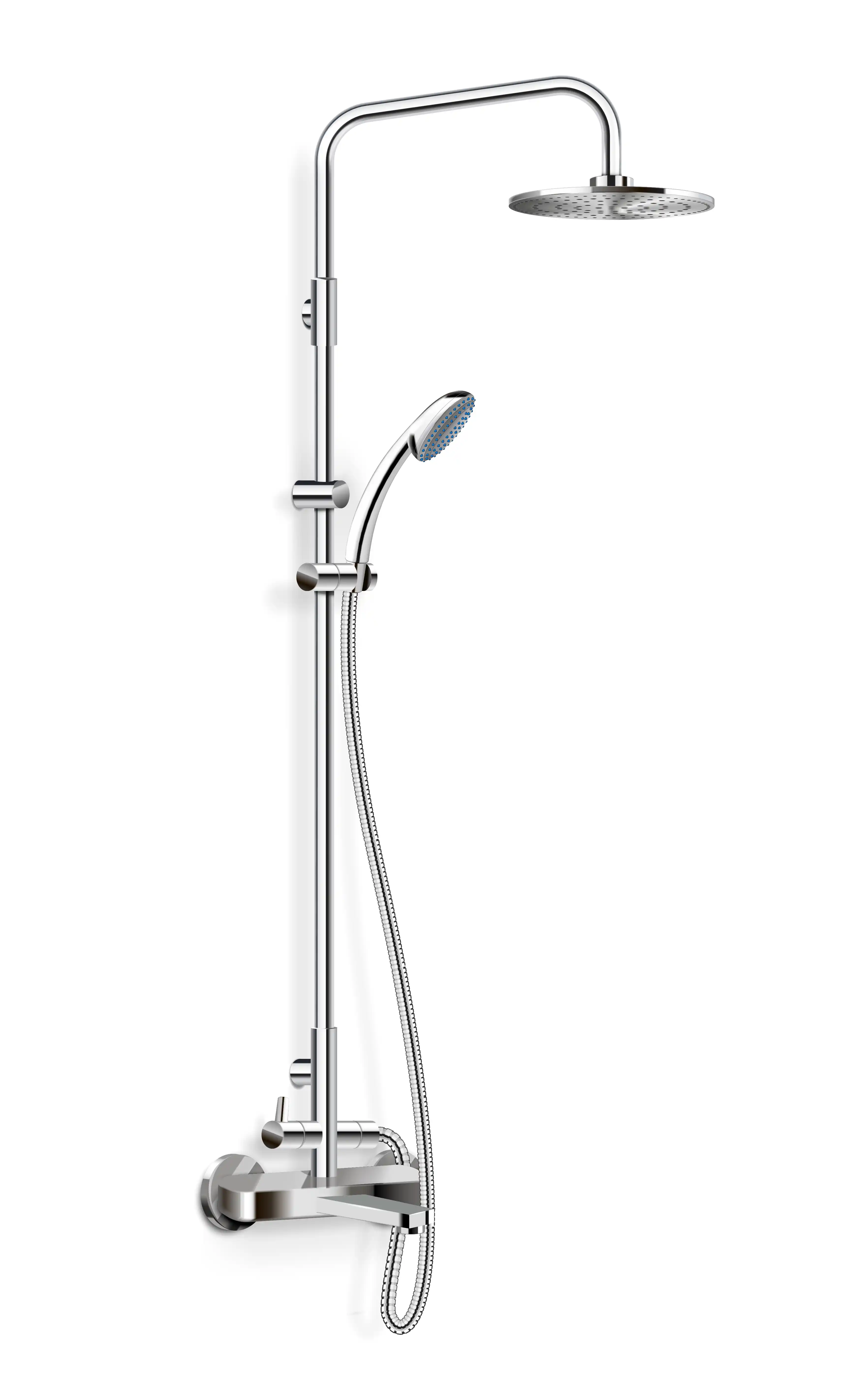
Bath Fixtures Guide: Showers, Taps, Diverters and Finishes
Bathroom fixtures are the visible, working parts of a bathroom: showers, taps, mixers and diverters. They decide how water is delivered, how easily you control it and how the room looks. A shower, tap or diverter that suits your plumbing and layout will be easier to use, clean and maintain for years.
This guide covers four things homeowners ask about most when building or renovating:
- Showers: the types and where each works.
- Taps: basin and wall tap styles.
- Diverters: how water is sent to different outlets.
- Finishes: how chrome, matte black and gold tones affect the look and the cleaning.
It is written for homeowners in Kerala, but the plumbing logic applies anywhere.
What Are Bathroom Fixtures and Why Are They Important?
Bathroom fixtures are the water-delivery and water-control components in a bathroom. These include showers, basin taps, wall-mounted taps, pillar taps, shower mixers and diverters. Fixtures are different from accessories such as towel rails, soap dishes and robe hooks, which hold things but do not control water.
Fixtures affect daily use more than most other bathroom choices. They depend on your pipe layout, water supply, basin design and whether you want concealed or exposed plumbing.
Before choosing, settle four things:
- Layout: where the shower, basin and wall pipes sit.
- Plumbing: how many hot and cold lines reach each point.
- Usage: a family bathroom, a guest bathroom or a compact powder room.
- Maintenance: how easily you can reach cartridges and valves later.
If you are planning a full upgrade, our bathroom renovation guide for Kerala covers the wider sequence of decisions.
What Are the Different Types of Bathroom Showers?
The main types of bathroom showers are overhead, rain, hand, wall-mounted and multi-outlet shower systems. They differ in how they mount, how they spread water and how flexible they are.
Overhead showers
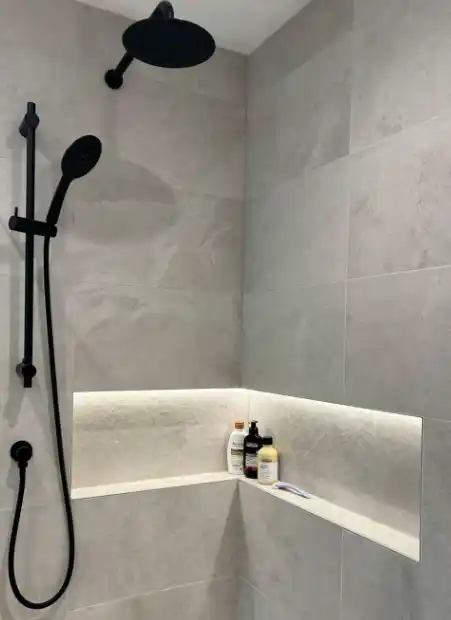
An overhead shower sits above the user, on a wall arm or from the ceiling. It suits general daily showering in most bathrooms. Spray pattern and coverage depend on the head design.
Rain showers
A rain shower is a broad, usually larger head that spreads water over a wide area. Sizes and shapes vary. Check ceiling height, the pipe position and the arm or ceiling-drop arrangement before choosing one, as these must be planned during plumbing.
Hand showers
A hand shower is held or docked on a wall bracket and connected by a flexible hose. It is useful for rinsing, cleaning the shower area and for family members who prefer to direct the spray. It is often paired with a fixed head through a diverter.
Wall-mounted showers
These attach to a wall outlet or arm. They need a correctly positioned wall connection and enough clearance for the user and the spray.
Shower panels and multi-outlet systems
A shower panel or multi-outlet system combines several outlets, such as an overhead head, a hand shower and body jets or a spout. Features differ by model, and the plumbing is more demanding. You need the right number of supply points and a compatible valve.
Whichever you choose, confirm water pressure, plumbing compatibility, space and user preference against the manufacturer's specifications. You can browse head and hand showers within Kurikkal's shower system collection.
How Do You Choose the Right Shower for Your Bathroom?
Start from your constraints: bathroom size, ceiling height, available pressure and the valve you plan to install. Then pick the shower style.
|
Feature |
Overhead Shower |
Rain Shower |
Hand Shower |
|
Installation |
Wall or ceiling |
Wall or ceiling |
Wall-mounted holder |
|
Water distribution |
Depends on design |
Broad, rain-like pattern |
Directed spray |
|
Flexibility |
Limited |
Limited |
High |
|
Cleaning convenience |
Moderate |
Moderate |
High |
|
Application |
General showering |
Relaxing shower experience |
Flexible everyday use |
Practical points to check:
- Head size and room size: a very large head in a small shower area can spray outside it.
- Water supply: confirm the shower's pressure requirement in its specification sheet.
- Mixer compatibility: the shower, valve and diverter should be designed to work together.
- Cleaning: nozzles collect mineral deposits over time, so check whether they can be wiped clean.
What Are the Different Types of Bathroom Taps?
The common types of bathroom taps are pillar taps, mixer taps, wall-mounted basin taps, deck-mounted basin taps, tall basin taps and concealed taps. The right one depends on the basin, the wall or counter arrangement and the water supply.
|
Tap type |
How it works |
Check before buying |
|
Pillar tap |
Separate hot and cold controls, usually one per supply |
Basin tap-hole count and spacing |
|
Mixer tap |
Combines hot and cold, single or dual control |
Compatibility with the supply lines |
|
Wall-mounted basin tap |
Fixed to the wall above the basin |
Spout reach, height and wall pipe position |
|
Deck-mounted basin tap |
Fixed on the basin or counter |
Basin tap holes and counter thickness |
|
Tall basin tap |
Raised body for vessel or countertop basins |
Spout reach and height over the bowl |
|
Concealed tap |
Valve body inside the wall, with visible handle and spout |
Plumbing planned before tiling; access for servicing |
The most common mistake is buying a tap before the basin is final. Spout reach and height must clear the basin edge, and a wall tap must line up with the bowl. Kurikkal lists a basin mixer category you can compare against your basin design.
What Is a Bathroom Diverter and How Does It Work?
A bathroom diverter is a valve that sends water to one outlet at a time, such as the overhead shower, the hand shower or a bath spout. It selects the outlet. It does not set the temperature.
In a shower with a fixed head and a hand shower, the diverter lets you switch between the two with a lever, knob or push control. Some systems integrate this into the mixer control.
Manual diverters
A manual diverter is operated by hand through a lever, knob or push mechanism. You turn or pull it to change the outlet. It is simple and widely used.
Concealed diverters
The valve body sits inside the wall and only the control plate or handle shows. This gives a clean look, but the plumbing must be planned before tiling, and you need a plan for servicing the body later.
Exposed diverters
The valve and body are visible on the wall. Installation is simpler and access for repairs is easier. The look is more utilitarian.
Multi-outlet diverters
Some diverters switch between two outlets, others handle three or more. The number of outlets and the combinations depend on the model, so one diverter will not suit every shower setup.
Manufacturers publish compatible combinations. For example, Grohe describes its Allure thermostatic mixer trim as designed to switch between a head shower and a hand shower, for space-saving concealed installation. See the product page for concealed 2-way diverter specifications and installation requirements.
Kurikkal does not list diverters as a separate category. You will find this function within mixers, so browse the mixer for concealed installation range and ask the showroom team about diverter options for specific models.
What Is the Difference Between a Diverter and a Shower Mixer?
A mixer combines hot and cold water to set temperature and flow. A diverter directs the water to the outlet you choose. Some products integrate both functions in one control.
|
Feature |
Diverter |
Shower Mixer |
|
Main function |
Directs water between outlets |
Controls or combines hot and cold water |
|
Temperature control |
Depends on integrated system |
Commonly provided |
|
Outlet selection |
Primary function |
Depends on product design |
|
Application |
Multi-outlet shower systems |
Shower temperature and flow control |
|
Installation |
Exposed or concealed |
Exposed or concealed |
Do not assume every mixer supports multiple outlets, or that every diverter suits every shower. Check the product specification for outlet count and compatible trims. Compare Kurikkal's shower mixer collection with your planned outlets.
What Are the Different Bathroom Fixture Finishes?
Bathroom fitting finishes are the surface colour and texture on taps, showers and diverters. Common choices are chrome, matte black, brushed gold, rose gold, brushed nickel and stainless steel.
A finish name does not tell you the underlying material or its corrosion resistance. Ask for the product specification, not just the colour name.
|
Finish |
Appearance |
Design pairing |
Care note |
|
Chrome |
Bright, reflective |
Works across most styles |
Shows water spots; wipe dry |
|
Matte black |
Contemporary, high contrast |
Light or textured surfaces |
Shows mineral marks; follow cleaning guidance |
|
Brushed gold |
Warm metallic |
Warm-toned interiors |
Avoid harsh cleaners; check manufacturer advice |
|
Rose gold |
Warm, decorative |
Modern, premium interiors |
Check the maker's cleaning instructions |
|
Brushed nickel |
Soft, subtle metallic |
Minimalist and contemporary |
Softer look than polished finishes |
|
Stainless steel |
Metallic |
Contemporary |
Verify the actual material grade |
Manufacturers' own guides help here. Grohe's faucet finish guide recommends a soft microfibre cloth to protect brushed coatings. You can read the faucet finish guide for how one manufacturer describes its finishes.
No finish is completely scratch-proof, rust-proof or maintenance-free. Ranges also differ by brand, so confirm what is actually offered.
How Do You Choose the Right Bathroom Fixture Finish?
Pick the finish that suits your walls, sanitaryware and lighting, then keep it consistent across taps, showers, diverters and accessories.
Common pairings:
- Chrome with white sanitaryware and neutral tiles.
- Matte black with light-coloured or textured walls.
- Brushed gold with warm-toned interiors.
- Brushed nickel with minimalist designs.
Also consider:
- Lighting: warm and cool lights make metals look different.
- Water marks: Kerala homes often deal with mineral deposits and humidity, so dark and polished finishes can show marks quickly. Our hard-water care tips for taps and showers explain routine cleaning.
- Samples: different manufacturers use different surface treatments, so two "matte black" products may not match. Compare actual samples side by side.
For a full look across hooks, rails and holders, see Kurikkal's guide on matching bathroom accessories in chrome, matte black and brushed gold.
What Should You Check Before Buying Bathroom Fixtures?
Use this checklist before you order:
- Water pressure: check your home's supply and the manufacturer's stated requirement for the shower and valve.
- Plumbing compatibility: confirm hot and cold connections, pipe positions and the number of outlets.
- Installation type: concealed or exposed, wall or deck-mounted, ceiling or wall shower.
- Dimensions: shower area, basin position, wall space and ceiling height.
- Material and finish: read the specification and the cleaning instructions.
- Spares and service: cartridge availability, replacement parts, service support and warranty terms.
- Documentation: installation drawings, specifications and after-sales contact.
On standards: IS 8931:2021 is the Indian Standard covering copper alloy single taps, combination tap assemblies, stop valves and single lever mixers for water services. You can check the IS 8931 standard details on the Bureau of Indian Standards website. Ask the seller which standards a product claims to meet and request supporting documents.
Have a qualified plumber review the plan, especially for concealed work or pipe changes.
What Are the Common Mistakes to Avoid When Choosing Bathroom Fixtures?
- Choosing a shower without checking water pressure.
- Buying a tap without checking the basin's tap holes or reach.
- Confusing a diverter with a mixer.
- Choosing concealed fittings without planning the plumbing first.
- Ignoring service access for concealed bodies.
- Fitting an oversized head in a compact shower area.
- Mixing components from incompatible systems.
- Choosing a finish only for looks.
- Skipping the manufacturer's installation instructions.
- Not checking warranty or spare parts.
- Ignoring daily usage patterns.
Where Can You Find Quality Bathroom Fixtures in Calicut?
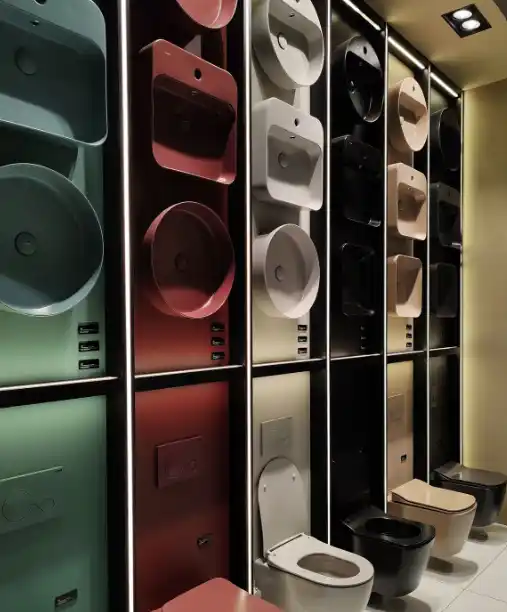
If you are looking for bathroom fittings in Calicut, Kurikkal Ambiente is a showroom where you can compare fixtures in person before deciding. The Kurikkal Group began in 1981 and today lists bathroom, tile, kitchen and wellness categories on its website.
What the website verifiably shows:
- Faucets category: basin mixers, bidet mixers, shower systems, bath mixers, mixers for concealed installation, shower mixers, tub faucets, hand showers, head showers and faucet accessories. Start with the bathroom fittings collection.
- Brands: the brand directory includes names such as Grohe, Hansgrohe, AXOR, KOHLER, TOTO, Duravit and Villeroy & Boch. Product availability varies, so confirm the model you want.
- Shower systems: listings from Grohe, Duravit, AXOR and Hansgrohe.
- Address: Kurikkal Ambiente, Saubhagya Shopping Complex, Mavoor Road, Calicut. Phone +91 94 46 46 27 27. A second showroom, Kajaria Eternity World, is on Kuthiravattam Link Road, Kozhikode.
For readers searching for a bathroom fittings showroom in Calicut, a sanitaryware showroom in Kozhikode or premium bathroom fittings in Calicut, the practical advantage of a showroom is seeing finishes and mixers side by side. It also helps if you want bathroom accessories in Calicut that match your taps. The same applies if you are looking for shower fittings in Kerala or bathroom taps in Kerala and want to check specifications before ordering.
For more on shopping locally, read Kurikkal's bathroom fittings guide for Calicut. Bring your plumbing drawing, basin model and preferred finish, and compare product specifications before you decide.
Frequently Asked Questions About Bathroom Fixtures
1. What are the main types of bathroom fixtures?
Showers, basin taps, wall-mounted taps, pillar taps, bath and shower mixers, and diverters. Accessories like towel rails and hooks are separate. Fixtures control water, so they must match your plumbing and layout.
2. What are the different types of bathroom showers?
Overhead, rain, hand, wall-mounted showers and multi-outlet shower systems. They differ in mounting, spray pattern and flexibility. Choice depends on pressure, plumbing, space and personal preference.
3. What is the difference between a rain shower and an overhead shower?
A rain shower is a broad head giving a wide, soft rain-like spread. An overhead shower is any fixed head above the user, in many sizes and spray designs. A rain shower is a type of overhead shower with a broader pattern.
4. What are the different types of bathroom taps?
Pillar, mixer, wall-mounted basin, deck-mounted basin, tall basin and concealed taps. The right type depends on basin design, wall or counter mounting and your supply lines.
5. What is a bathroom diverter?
A valve that directs water to one chosen outlet at a time, such as an overhead shower, hand shower or spout. It selects where water goes. It does not set temperature.
6. What is the difference between a diverter and a mixer?
A mixer blends hot and cold water to set temperature and flow. A diverter chooses which outlet the water reaches. Some products combine both functions in one control, so check the specification.
7. Can one diverter operate multiple shower outlets?
Some can. Two-way diverters switch between two outlets, and certain models handle three or more. Outlet combinations differ by model, so confirm compatibility with your shower and mixer.
8. What is a concealed diverter?
A diverter whose valve body sits inside the wall, with only the control plate or handle visible. It gives a clean look, but plumbing must be planned before tiling, and service access should be considered.
9. What are the different finishes available for bathroom fittings?
Common finishes include chrome, matte black, brushed gold, rose gold, brushed nickel and stainless steel. Availability varies by brand. A finish name does not indicate the base material, so check the specification.
10. Is chrome or matte black better for bathroom fittings?
Neither is universally better. Chrome suits most styles and shows water spots. Matte black gives contrast and shows mineral marks. Choose by your interior and how willing you are to wipe the surface regularly.
11. Are brushed gold bathroom fittings suitable for daily use?
They can be, if the manufacturer's care instructions are followed. Avoid harsh cleaners and abrasive cloths. Check the product specification and warranty, since durability varies by brand and surface treatment.
12. How do I choose the right bathroom shower?
Check water pressure, plumbing, ceiling height, shower area size and valve compatibility. Then pick the type: overhead, rain, hand or a multi-outlet system. Always read the manufacturer's specification.
13. What should I check before buying bathroom taps?
Basin tap-hole count, spout reach and height, supply connections, wall or deck mounting, finish, cartridge availability and warranty. Confirm the plan with your plumber.
14. Which bathroom fittings are suitable for modern homes in Kerala?
It depends on your plumbing and design. Many homeowners compare concealed mixers, rain or hand showers and finishes that handle humidity and mineral deposits. Check specifications and spare parts availability before deciding.
15. Where can I buy premium bathroom fittings in Calicut?
Kurikkal Ambiente on Mavoor Road, Calicut lists faucets, showers, mixers and accessories from several brands. Visit the showroom or call to confirm availability of specific models.
Conclusion
Good bathroom fixtures start with the plumbing and layout, not the colour. Match the shower type to your pressure and space, pick taps that fit the basin, understand whether your diverter or mixer handles outlets and temperature, and choose a finish you can maintain. Check specifications and spare parts before you buy, and involve a qualified plumber early.
To compare options in person, explore the bathroom fitting collections at Kurikkal Ambiente, or contact Kurikkal Ambiente with your plan.