Rectified vs. Non-Rectified Tiles: What Every Homeowner Must Know Before Buying
Buying tiles sounds simple until you actually stand in a showroom and realise there are a hundred things nobody told you about. One of the most confusing ones? The difference between rectified vs. non-rectified tiles. Most homeowners have never even heard this term before, and that is completely fine - but understanding it before you buy can save you from a flooring decision you will regret for years. So let us break it down, plainly and honestly.
What Are Rectified and Non-Rectified Tiles, Really?
After a tile is fired in a kiln, it comes out with slightly uneven edges. That is just how the manufacturing process works. A non-rectified tile is used exactly as it comes out - natural edges, minor size variations, and all. A rectified tile, on the other hand, goes through an extra step where all four edges are precisely cut by a machine to achieve an exact, uniform size.
Think of it this way. Non-rectified tiles are like handmade biscuits - each one has its own character, slightly different in shape. Rectified tiles are like factory-cut bread slices. Consistent. Precise. Every single piece looks the same.
This one difference in manufacturing affects everything - how the tiles look on your floor or wall, how much grout you need, how skilled your installer needs to be, and yes, how much you will spend. It is not a small thing.
Rectified vs. Non-Rectified Tiles: The Key Differences You Need to Know
The most visible difference is the grout joint. Non-rectified tiles need wider grout lines - usually 3mm to 5mm - to hide those small edge variations. Rectified tiles can go as narrow as 1mm to 1.5mm. This is why rectified tiles look more seamless and modern. Less grout means the eye travels across the surface without interruption.
But there is more to it than looks. Non-rectified tiles are actually more forgiving during installation. Because grout hides the gaps, a slightly imperfect lay is not a disaster. With rectified tiles, even a tiny error shows up clearly. This is why industry installation standards - such as those set by the Tile Council of North America - strongly recommend experienced, skilled tile setters for rectified work.
In terms of size consistency, rectified tiles are far more accurate. When you are doing large-format tiles - say 600×600mm or 800×800mm - even a 1mm variation in a non-rectified tile starts adding up across a big room. Rectified tiles keep everything aligned properly.
One more thing. Rectified tiles are slightly more fragile at the corners because they are cut sharp and thin at the edges. Non-rectified tiles have a bevelled, rounded edge which is naturally a little more durable at corners. Worth thinking about if you have kids running around.
Which One Should You Choose for Your Kerala Home?
This depends on a few things - your space, your budget, and honestly, the look you want.
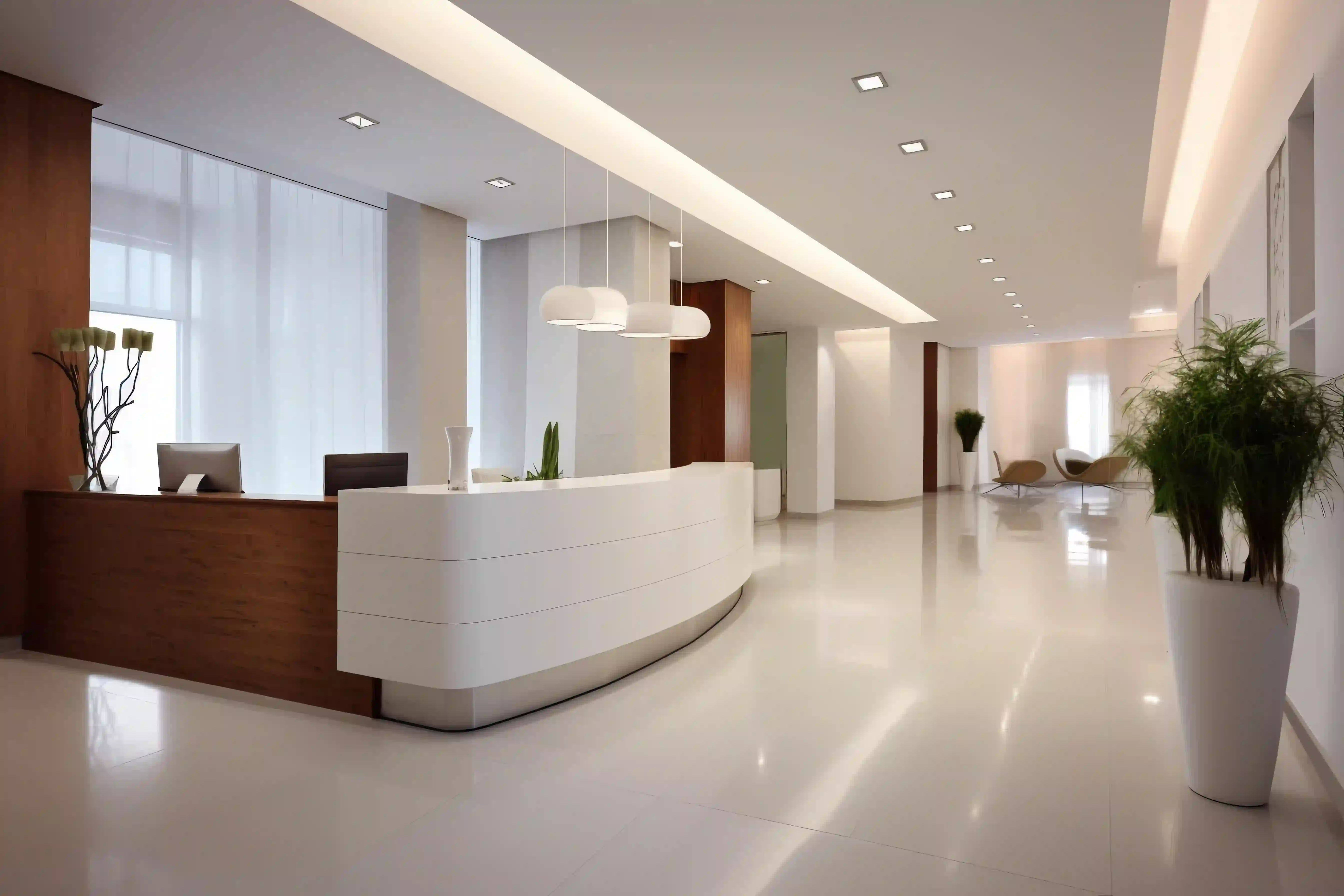
If you are doing a living room or a large open area and want that clean, gallery-like finish with thin grout lines, go rectified. It works beautifully with large-format porcelain or vitrified tiles that are popular in modern Kerala homes right now. The look is sharp, minimal, and premium.
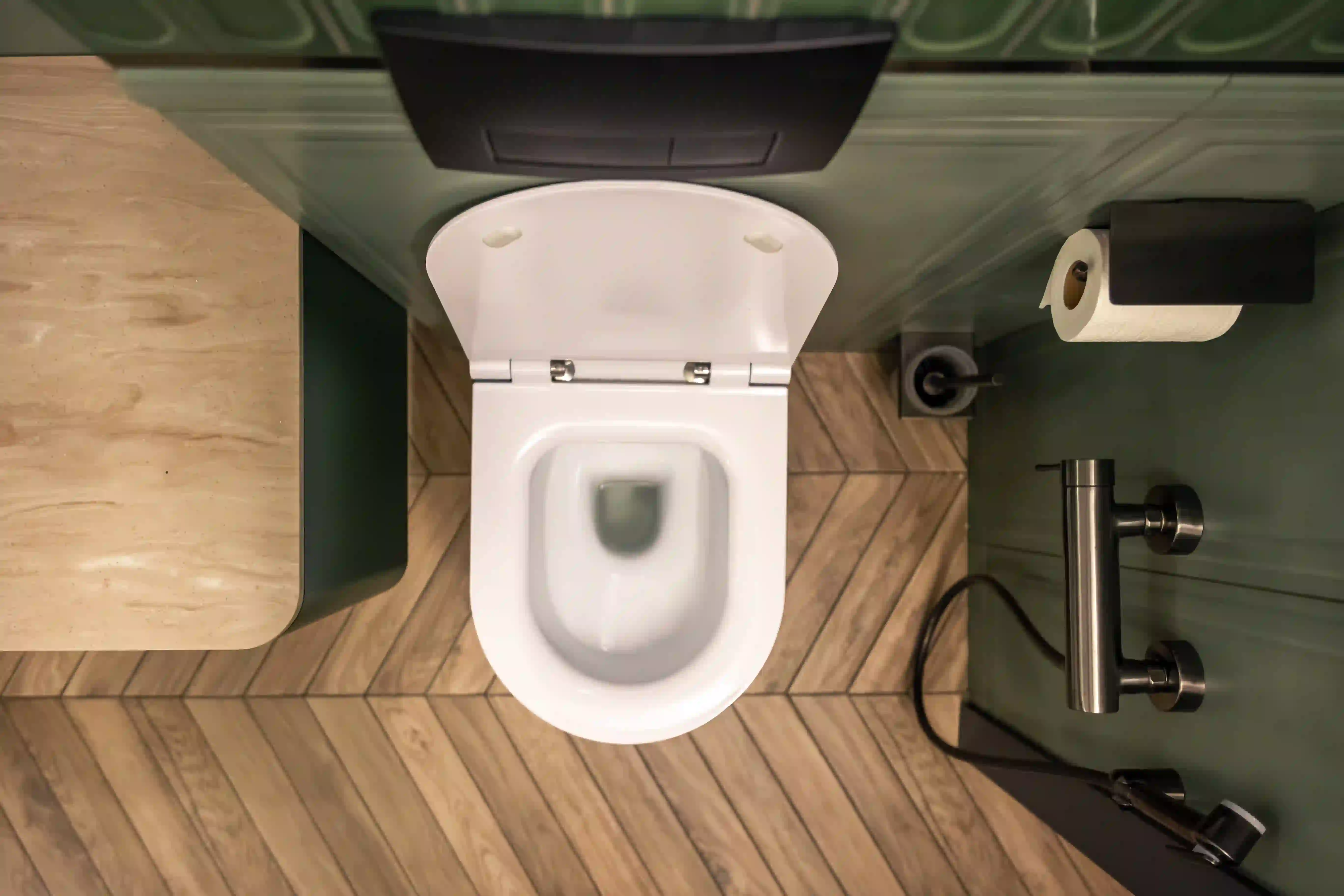
If you are tiling a bathroom, a utility area, kitchen walls, or an outdoor space, non-rectified tiles might actually suit you better. They are slightly more affordable, easier to maintain, and the grout gives better grip underfoot in wet areas. Plus, if there is any minor settling or movement in the structure — which does happen in older Kerala homes - the wider grout joint handles it better.
At our tile showroom in Calicut, we walk every customer through this choice personally. We look at the room, understand the design goals, and help you pick what actually makes sense - not just what looks good in a catalogue.
A Note on Cost: Does Rectified Always Mean More Expensive?
Not always, but often yes. Rectified tiles do cost a bit more - the extra cutting step adds to the manufacturing cost. And because they need a more skilled installer and stricter surface preparation, your labour cost may go up too. But the final result can look significantly more premium, which often adds value to the space overall.
Here is where people sometimes go wrong. They buy rectified tiles to save on grout, then end up spending more on installation because they hire an unskilled worker who cannot handle the precision required. Always factor in labour when comparing costs. A good tile badly installed is a waste of money, and we have seen it happen more times than we would like to admit.
Non-rectified tiles are the smarter cost choice for large areas where heavy foot traffic is expected or where the space is functional rather than decorative. They hold up well and require less precision - which keeps your project on budget.
Conclusion: Pick the Right Tile, Not Just the Pretty One
The debate of rectified vs. non-rectified tiles is not really about which is better. It is about which is right for your specific situation. Both have their place. Both can look stunning when used correctly. The mistake is treating them as interchangeable without thinking about grout width, installer skill, the scale of the room, and your long-term maintenance comfort.
At Kurikkal Ambiente, we have been helping Kerala families make these decisions for years. We stock a wide range of rectified and non-rectified options — from premium large-format porcelain to classic vitrified and ceramic tiles — and our team is genuinely happy to guide you through the selection process without any sales pressure. Because the right tile, installed right, should last you decades.
Visit us in Calicut or browse our full collection online at Kurikkal. Let us help you get it right the first time.