Natural Stone vs. Porcelain: Which Flooring Lasts Longer in a Coastal Kerala Home?
The debate around Natural Stone vs. Porcelain comes up almost every week here at Kurikkal Ambiente, especially with homeowners in coastal Kerala. And honestly, there's no one-size-fits-all answer. But there is a smarter answer, once you understand how each material behaves in our climate.
This guide walks you through everything you need to know, from how each flooring holds up against Kerala's salt air and monsoon moisture, to what actually makes sense for a long-term investment in your home.
Understanding the Kerala Climate Challenge for Flooring
Coastal Kerala is beautiful. The breeze, the greenery, the smell of rain on warm stone. But that same environment is genuinely tough on floors. High humidity almost year-round, heavy monsoons from June to September, occasional flooding in low-lying areas, and salt-laden air near the coast - these are real conditions your flooring has to survive daily.
Most flooring materials that work well in dryer climates - like parts of Rajasthan or Tamil Nadu - simply don't perform the same way here. Tiles that absorb moisture can crack over time. Materials that aren't slip-resistant become dangerous when wet. And anything that reacts to salt air starts showing surface damage within a few years.
This is why choosing between natural stone vs. porcelain matters more in Kerala than almost anywhere else in India. The climate makes the decision for you, in a way.
Natural Stone vs. Porcelain - What Really Sets Them Apart?
Let's be straightforward here. Both are excellent materials. But they behave very differently, and those differences matter a lot in a humid coastal home.
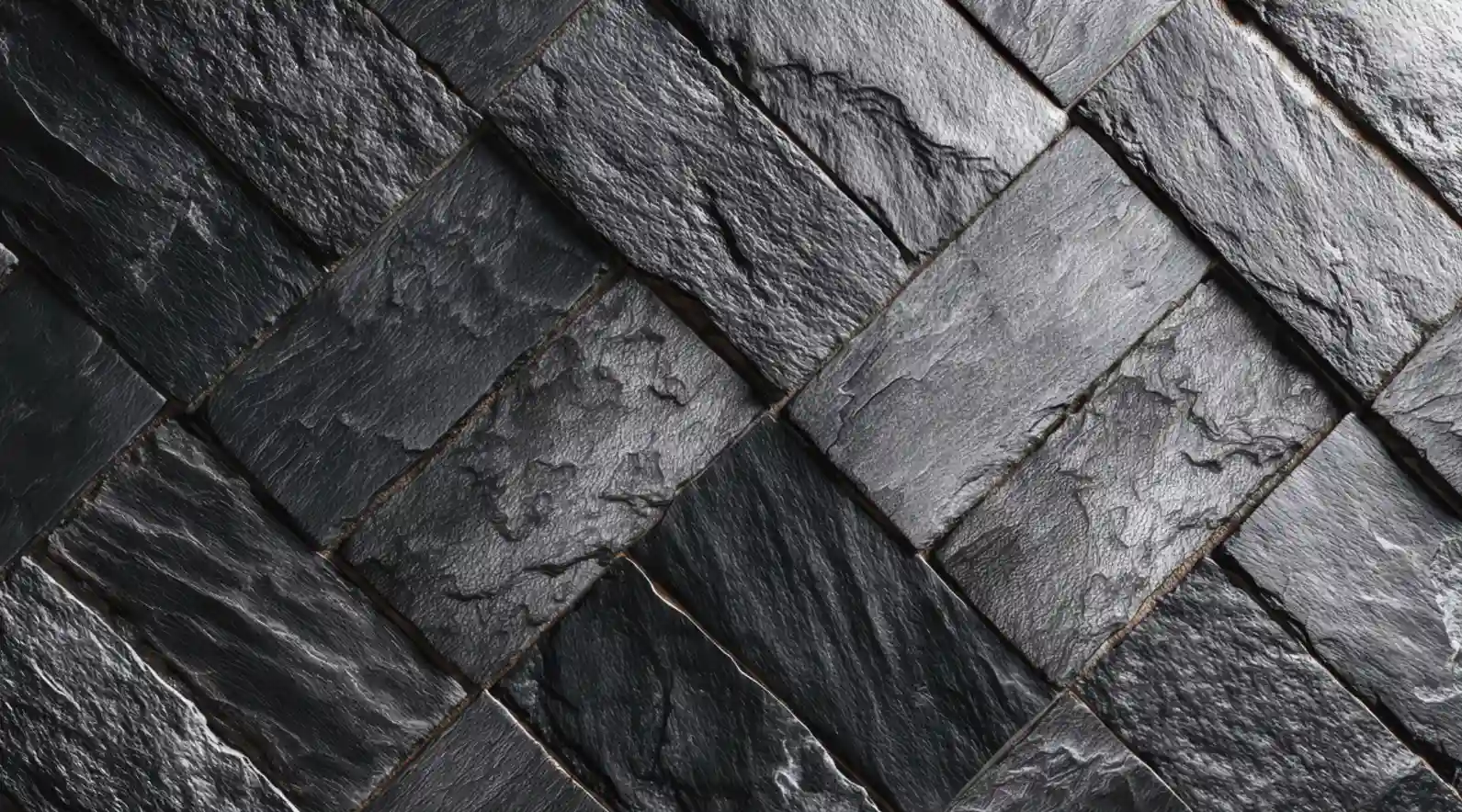
Natural stone - marble, granite, limestone, slate - is formed over millions of years. It's dense, genuinely beautiful, and carries a texture that feels organic and grounded. Granite, for instance, is incredibly hard and handles moisture well when sealed properly. Marble is cooler underfoot, which is genuinely pleasant in Kerala's heat. But here's the thing - natural stone is porous. Even granite has microscopic pores. Without regular sealing, moisture, cleaning chemicals, and salt air can slowly seep in and cause staining, cracking, or surface erosion over the years.
Porcelain tiles, on the other hand, are fired at very high temperatures, which makes them almost completely non-porous. They don't absorb water. They don't stain easily. And they don't need sealing every couple of years. According to The Spruce's guide on flooring for humid climates, porcelain is consistently rated among the top choices for high-moisture environments precisely because of this low absorption rate. That's a strong point in favour of porcelain for Kerala homes.
That said, porcelain is man-made. It doesn't have the same character as a slab of natural Kadappa stone or Kerala laterite. If aesthetics and a sense of place matter to you - and for many Kerala homeowners they really do - natural stone has something that porcelain simply can't fully replicate.
Durability, Maintenance, and Cost Over Time
When people ask us which lasts longer, we always bring up the full picture - not just the material itself, but what it costs to maintain over 10, 15, or 20 years.
Natural stone, especially granite, is incredibly durable when well-maintained. But "well-maintained" is the key phrase. In a coastal Kerala home, you'd typically need to reseal granite or marble every 1-2 years. If you skip that, the surface slowly degrades. Marble, particularly, can be vulnerable to acidic cleaners (very common in Kerala kitchens) and hard water staining. Over time, that adds up - in effort, in cost, and in the appearance of your floor.
Porcelain requires far less upkeep. A simple mop with a mild cleaner is usually all it needs. It doesn't need sealing. It doesn't react badly to cleaning agents. And modern porcelain comes with slip-resistance ratings that are genuinely useful in wet areas - a real practical advantage for bathrooms, kitchens, and covered outdoor spaces in Kerala homes.
On cost, natural stone tends to have a higher upfront price for premium varieties, but porcelain has caught up significantly in recent years. High-end porcelain - like the large-format slabs or marble-look finishes we carry at Kurikkal Ambiente - can rival natural stone in price while offering better durability in humid conditions. It really depends on your specific needs and what matters most to you.
Finding the Right Tile for Your Kerala Home - Where to Start
Honestly, the best way to make this decision is to see both materials in person. Reading about them helps, but there's nothing quite like running your hand across a polished granite slab versus a premium matte porcelain tile to understand the difference in texture and finish.
At Kurikkal Ambiente, we've been helping Kerala families find the right flooring for over two decades. Our team understands the specific demands of coastal homes - the moisture, the salt air, the aesthetic expectations. Whether you come in knowing exactly what you want or with no idea where to start, we'll walk you through options that actually work for your space and your budget. If you're based in northern Kerala, visiting a tiles showroom in Calicut that carries both natural stone and porcelain collections - like ours - is genuinely the most effective way to compare and decide.
Conclusion
So - natural stone vs. porcelain. Which one wins for a coastal Kerala home?
If pure durability and low maintenance in a humid climate is your priority, porcelain has the edge. It resists moisture better, needs less upkeep, and holds its appearance well over many years without a lot of intervention. For most Kerala homes, especially near the coast or in areas prone to flooding, it's the more practical long-term choice.
But if you love the look and feel of real stone - the coolness underfoot, the natural variation, that grounded quality - and you're prepared to maintain it properly, natural stone can absolutely last a lifetime. Granite especially. We've seen well-maintained granite floors in older Kerala homes that look as good as they did decades ago.
The real answer is: it depends on your home, your lifestyle, and how much time you're willing to put into upkeep. And that's a conversation worth having with someone who actually knows both materials well.
Ready to pick the right flooring for your Kerala home?
Visit Kurikkal Ambiente and explore our full collection of natural stone and porcelain tiles - and get honest advice from a team that knows Kerala homes inside out.